
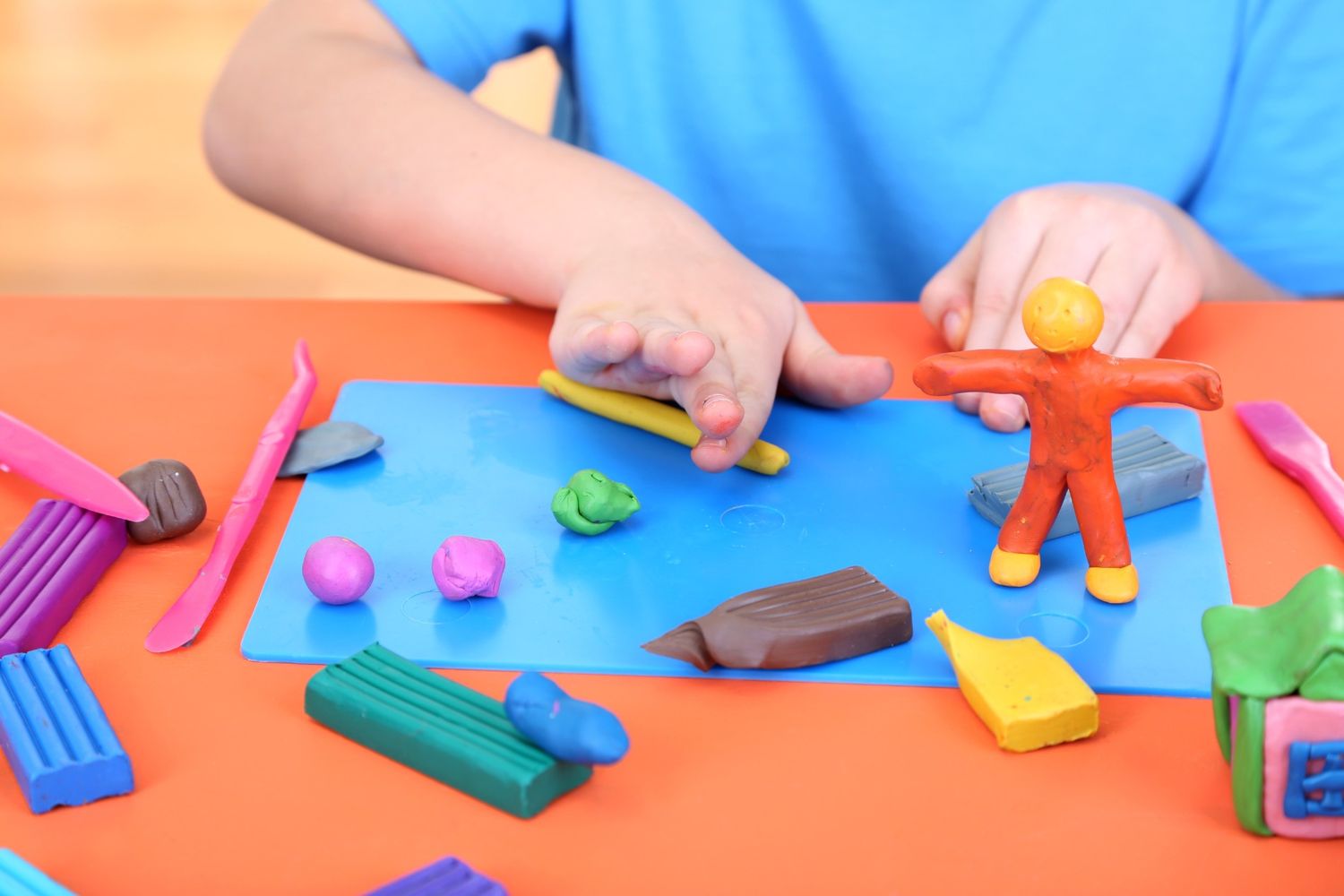
Occupational therapy helps children learn the everyday skills they need to take part in play, school, and daily life. Whether a child has gross or fine motor developmental delays, sensory differences, emotional regulation challenges or other neurodivergent needs, Occupational Therapists at The Grounds work with families to turn difficult everyday tasks into achievable steps.
What Is Occupational Therapy for Children?
Occupational therapy helps children build the skills they need to manage everyday routines such as dressing, eating, writing, and playing. These may seem easy for most of us, but for children who face sensory, motor, or emotional challenges, it can be a struggle.
For kids who appear disengaged with their environment and people, occupational therapy also helps them feel comfortable in their own bodies through sensory regulation so that they can connect with others meaningfully.
At an academic level, Occupational Therapy also supports kids in modulating strength for writing and succeeding in tabletop fine motor tasks. Our Occupational Therapists can also help the children to develop their endurance and growth mindset for challenging tasks.
The ultimate goal is to support kids in becoming more independent, resilient and confident in their daily lives. Sessions are personalised, playful, and goal-focused, making therapy sessions both engaging and meaningful while helping children reach their fullest potential.
Key Areas Occupational Therapy Can Support
Our Occupational Therapist evaluates a child’s strengths and areas of difficulty, then designs personalised, playful strategies to build targeted skills. This can include:
- Self-care & daily routines: dressing, brushing teeth, feeding, toileting routines.
- Fine motor skills: hand and wrist strength, pencil grip, cutting with scissors, buttoning clothes.
- Gross motor skills: balance, coordination, jumping, climbing, and body awareness.
- Sensory processing, sensory integration & regulation: helping children cope with (or seek out) sensory input like noise, touch, movement, or smells.
- Play skills & social participation: turn-taking, using toys purposefully, imaginative play skills, transitioning between activities and successful participation in group activities.
What Happens During Occupational Therapy Sessions?
During occupational therapy, our first priority is to understand your child’s unique strengths and needs. Our therapist uses fun, purposeful play such as obstacle courses, crafts, sensory tools, or practicing daily routines by breaking it into small achievable steps, to help your child build important skills in a way that feels enjoyable and natural.
For your child’s very first session, we encourage parents to sit in and our Occupational Therapist will take time to chat with you about your child to better understand what challenges you would need support with and what goals you hope your child can achieve. You will also be asked to complete a sensory profile form. This helps us create a clear starting point so we can set meaningful, measurable goals together. As part of our family-centred approach, we see parents as partners in the journey, and your input and collaboration is key in shaping a therapy plan that truly fits your child.
Who Can Benefit from Occupational Therapy for Children
Occupational therapy supports any child who finds difficulty in daily routines, movement, or sensory experiences.
- Children with developmental delays: For children who take longer to walk, dress, use the toilet, or complete tasks with their hands such as self-feeding.
- Children with sensory sensitivities or seek sensory input: Children who get overwhelmed or seek input from sounds, visual, textures, or movement. Children who have postural instability such as fear of escalators, swings or slides.
- Children with learning difficulties or ADHD: For children who struggle with resilience, impulsivity, focus, handwriting, or keeping up in class.
- Children on the autism spectrum: For children requiring occupational therapy for autism to better manage routines, transitions, or social situations.
- Children recovering from illness or injury: For children who need help regaining strength and everyday skills.
How Occupational Therapy at The Grounds Is Different
At The Grounds, we believe that every child’s journey is unique. We create personalised plans and we are also able to work across a multi-disciplinary team to ensure that families feel supported and involved. Parents/caregivers are always encouraged to attend the therapy sessions. We value parents’ ongoing feedback on the child’s progress and challenges so that we can provide support every step of the way.
Long-Term Benefits of Occupational Therapy for Children
Occupational therapy goes beyond building motor skills. It supports children’s daily routines, school participation, and social development leading to increased emotional growth and confidence.
- Improved Functional Skills
OT helps children learn practical tasks like eating independently, getting dressed, and holding a pencil. These everyday skills form the foundation for independence at home, in school, and during play.
- Increased Independence
As children build motor, sensory, and self-regulation skills, they begin to rely less on adult help. This allows them to join in classroom routines, play with peers, and manage daily activities with greater confidence.
- Enhanced Self-Esteem
When children achieve small goals in therapy, they gain a sense of accomplishment. This success builds confidence and helps them approach new challenges with a positive attitude.
- Better School Participation
OT supports resilience, focus, coordination, and organisation, these are valuable skills children need to succeed in school. With these tools, kids are better able to follow instructions, complete work, and enjoy learning.
- Improved Peer Interaction and Social Skills
Through play-based strategies, OT teaches children how to share, take turns, and manage big emotions. This helps them form stronger friendships and feel more included in social settings.
Frequently Asked Questions (FAQ)
1. How do I know if my child needs occupational therapy?
If your child has issues with emotional regulation, impulsivity, delayed motor skills, attention challenges, on-seat difficulties, sensory seeking or avoiding it is best to do an initial consultation and seek the recommendation of a professional.
2. Does occupational therapy help with behaviour problems?
Yes, occupational therapy helps with emotional regulation and impulsivity. Parents often see that their child is calmer and able to self-regulate in a shorter time after receiving occupational therapy.
3. What age should a child start occupational therapy?
As early as possible, our advice is always not to wait as gaps might only widen and not close if no intervention is done.
4. How can parents choose an Occupational Therapist?
1. Occupational therapists in Singapore are registered with and regulated by the Allied Health Professions Council (AHPC).
2. Look for therapists experienced in the areas of support your child needs, whether that’s sensory integration, motor development, emotional regulation etc.
3. Choose a therapist and centre who is open to parental collaboration. It is helpful if parents are able to sit in for the sessions for updates, feedback and also for the therapist to share strategies that parents can use at home.
Ready to Help Your Child Thrive?
Seeking support early can make a lot of difference in your child’s progress and learning. If you are wondering how occupational therapy could support your child, why not take the first step to arrange a consultation with our team today.

About the Author
Jing Ke KOH is the Clinical Director and Principal Speech Therapist at The Grounds. With a deep belief in play-based learning and parent collaboration, she has dedicated her career to helping neurodivergent children thrive through early intervention. Jing Ke advocates for the power of immersive, strengths-based therapy and envisions an inclusive society where every child is recognised for their unique potential.